
Cognitive fitness 🧠 how to make your brain fit?… by Cal Newport
✔️Productivity,🎬Video
I love Cal Newport’s podcast “Deep Questions” - my Weekly Template is inspired by Cal and I’ve read all his books, including the Deep Work which is one my top 10 books of all time. In one of the recent episodes of his show he talks about 5 different components of cognitive fitness or better yet - how to avoid brain rot and stay mentally fit. Here are my notes:
- 1. 📖 Read every day - it rewires your brain!
- 2. ✍️ Write - writing is thinking!
- 3. 🚶♂️ Go on thinking walks - without a phone!
- 4. 🔌 Plug in your phone in the house!
- 5. 🔨 Learn a hard skill
- 📺 Watch Cal Newport explaining this!
1. 📖 Read every day - it rewires your brain!
To Cal, this is his base level 🧠 fitness. According to him, the more time you spend reading, the more you develop your brain and cognitive fitness. Reading long form content, especially books, rewires our brain to be capable of smarter thought.
Additionally, when you read a book, you’re getting practice directing your mind’s eye 👀 in a way that will help you actually take advantage of that rewiring.
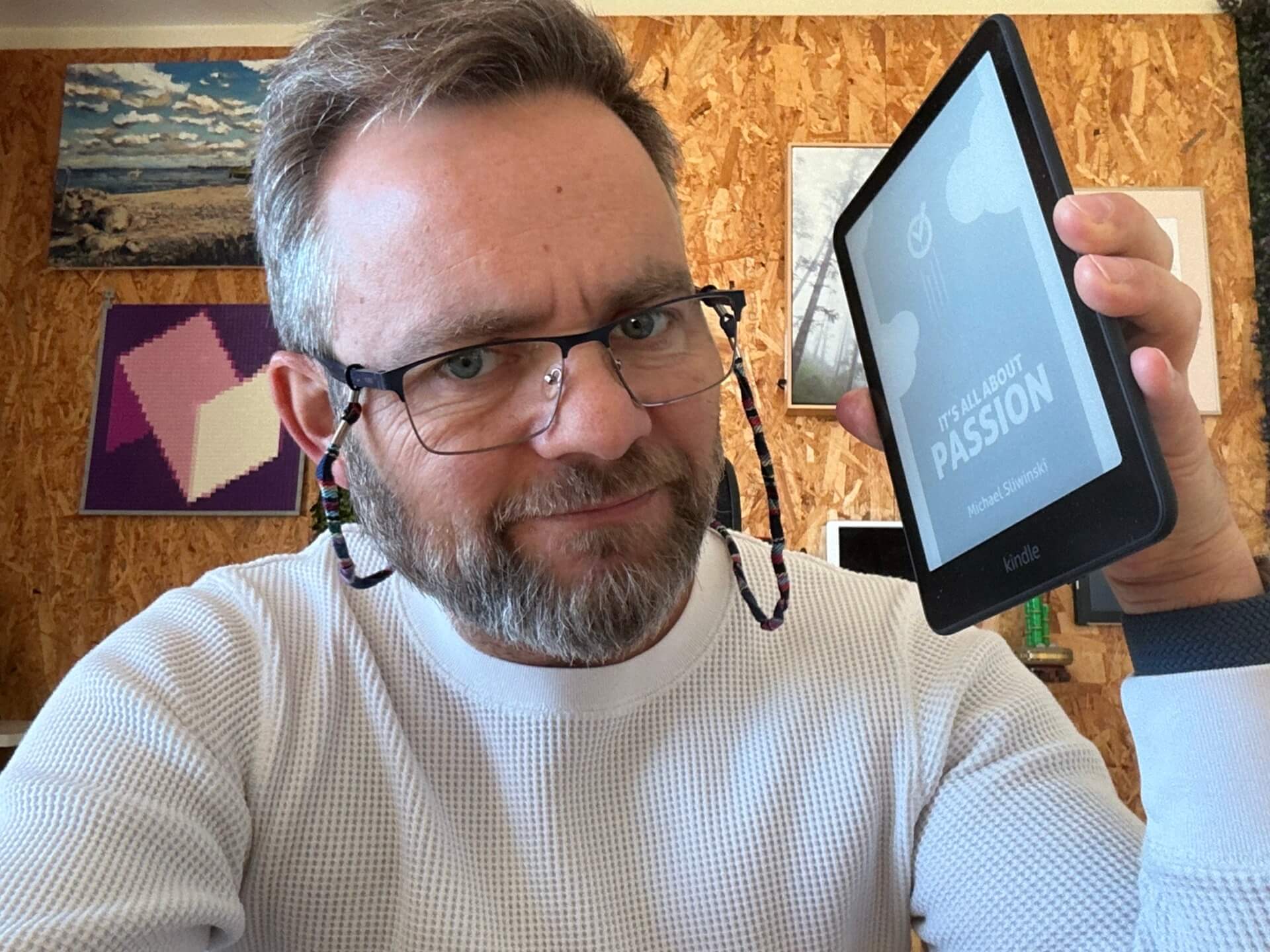
Cal’s 3 steps to a consistent reading habit:
- Start with things you’re excited to read - no profound books - just focus on the act of reading - even if it’s nothing ambitious. Start with 15-20 pages a day - read with your lunch and before you go to sleep in bed.
- Create a reading habit - get to 30-50 pages. Create this association: when you have time, you’re going to read as your first choice (and not scroll social media).
- Introduce harder books - once you get the hang of the habit, start introducing books that require more concentration from you.
2. ✍️ Write - writing is thinking!
Cal says we should NOT avoid writing and that’s one of the reasons I have this personal blog and I like to journal daily.
Cal says that writing is hard and he compares it to an intense gym workout when your muscles must really work hard. His tip is to force yourself to write for the first 10 minutes, knowing it’s tough. Once you’re over the 10 minutes hump, it’ll get easier.
It’s funny that to me writing is not that hard. I love writing. I enjoy writing. This is how I think. That’s why I’m a proponent for written task-based communication. Adding comments to tasks makes you a better communicator and writer!
To me the previous point of reading is more challenging because I read slowly and I don’t enjoy it as much. I prefer listening to audiobooks.
What I also need is to get better at taking notes from the books I read - especially when I listen to them.
3. 🚶♂️ Go on thinking walks - without a phone!
He’s encouraging us to go on a thinking walk several times a week. Not only for meetings. Just to be with your thoughts. If you need to have a smartphone for others to be able to contact you, put it in a backpack so that you can’t be tempted to easily reach for it. I don’t need to, as my Apple Watch Ultra has a cellular connection.
Think of something important you want to solve. You need a solitary target. Something to think about. He argues that this kind of self reflection is truly important. Start with short walks around the block and as you get better, try to go for longer ones. Remember to journal your thoughts after each walk.
Honestly, I’ve never tried that. I always walk listening to something. Challenge accepted!
4. 🔌 Plug in your phone in the house!
I’ve always been a MagSafe fan but now I’ve put even more Qi2 MagSafe chargers around the house. Not only in my home office:
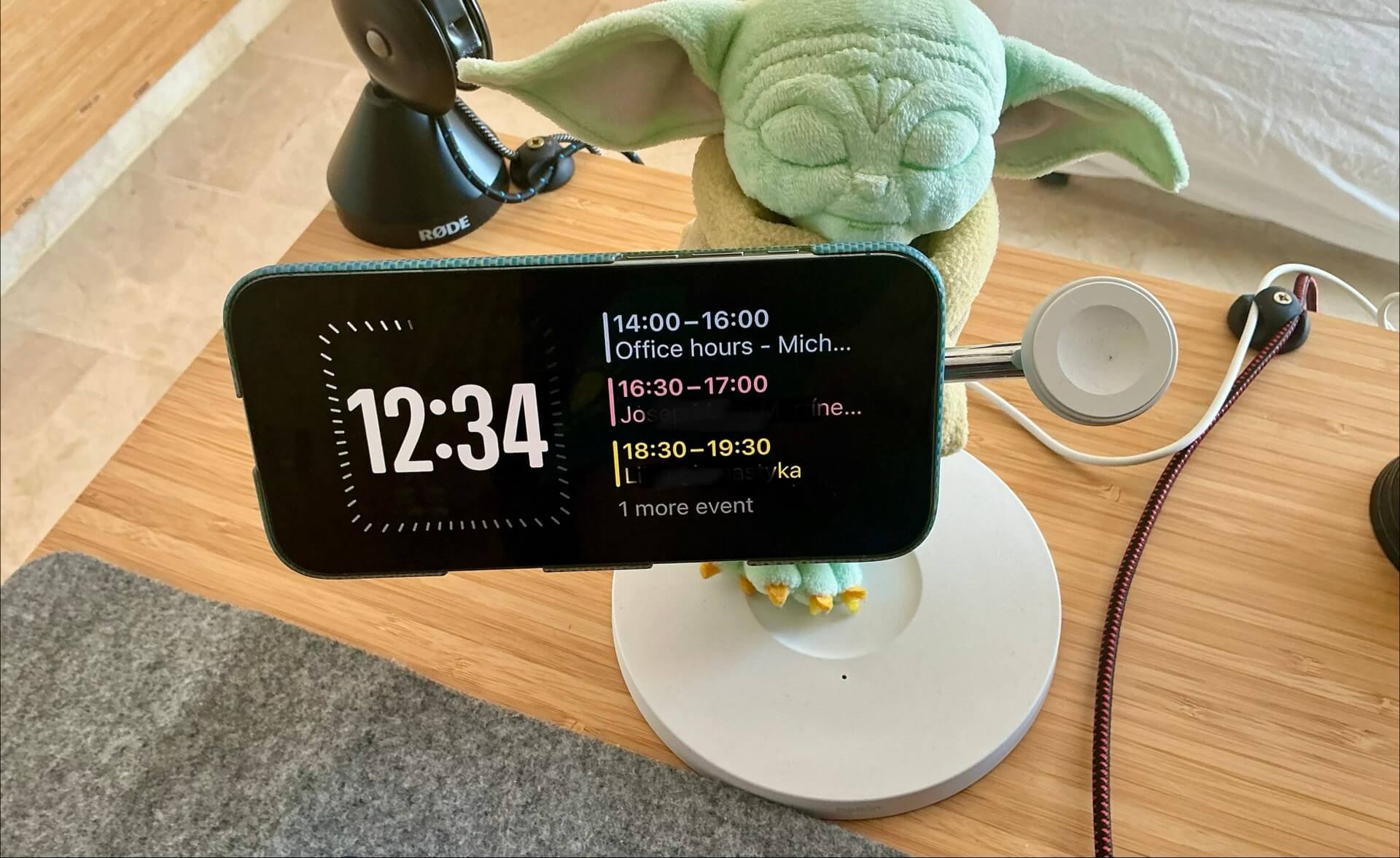
As you can see, I like the “watch stand” mode of the iPhone when it shows the time and calendar. I have several more MagSafe chargers in different rooms around the house, including the kitchen:
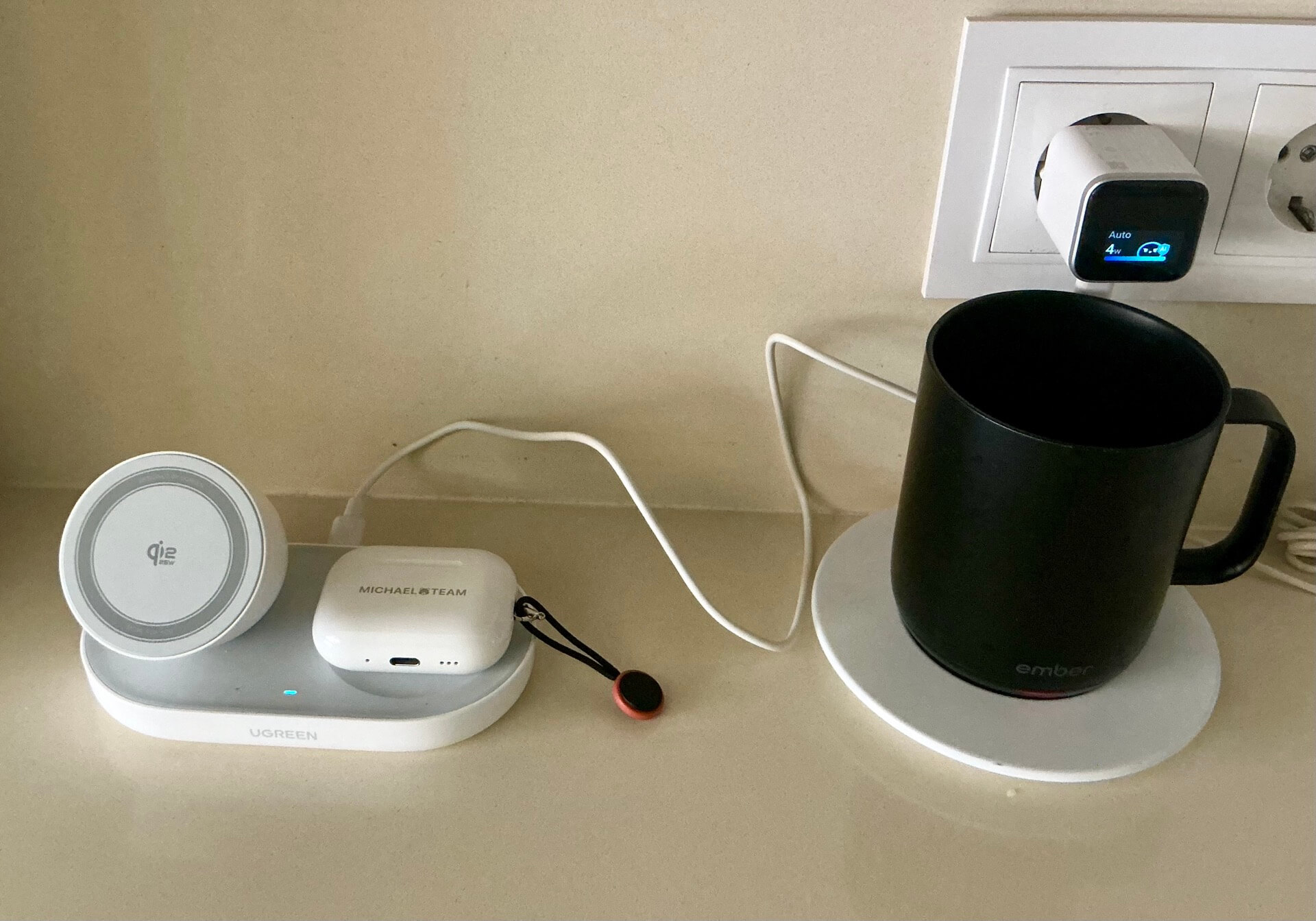
This way the phone is not in my pocket, so it’s not tempting to pick it up and read news or messages or shop online. At least I removed social media from it, but still. When I want to listen to something, I use AirPods Pro.
Bonus is that the Phone is regularly being charged and I have set up my iPhone Air battery to charge up to maximum 90% and not more to preserve battery life. I still have 100% capacity after half a year of intensive usage.
Cal argues that people report to him that “the weight has been lifted from their brain”. I can relate to it, because the “pick up your phone” temptation is very strong!
5. 🔨 Learn a hard skill
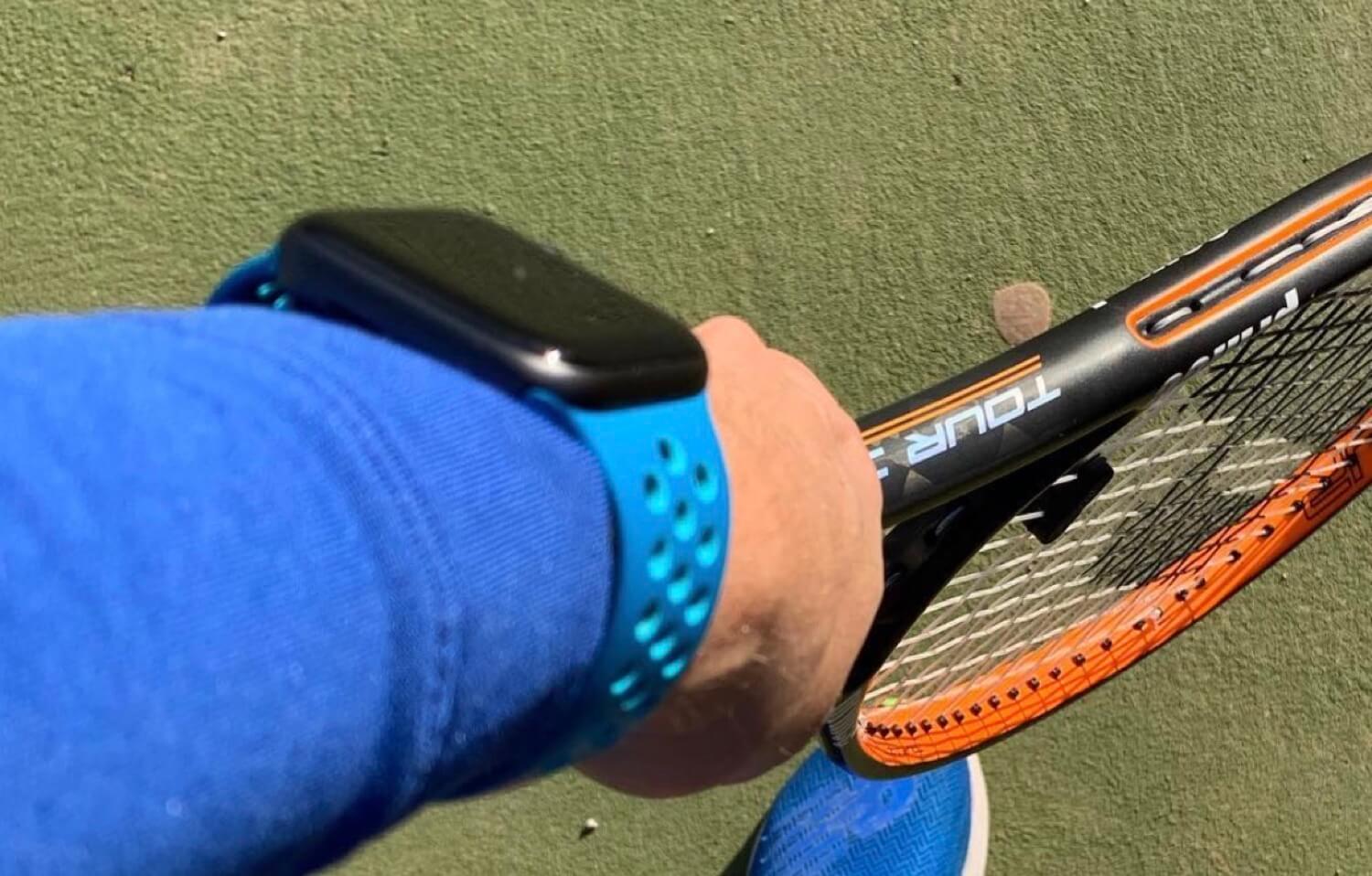
Cal argues that we should master a skill that requires us to focus and that also helps us get a clear reward that we’re getting better. To many people this can be sports (I’m getting better at tennis).
To me also this is my Shortcut building because it’s fun, requires lots of focus and the reward is a new Shortcut that helps me get better at Journaling or take advantage of the Action button. I’ve recently also started posting my tips on managing JSON files or creating options dialogs.
I’m in the process of finishing version 5 of my Journaling Shortcut and I’ve been using for months my own Clipboard manager which I haven’t published publicly yet. And as I use these Shortcuts daily, I keep improving them.
📺 Watch Cal Newport explaining this!
In case my notes are not sufficient, listen or watch Cal Newport explain this himself: