
🤝 Can a small business get better talent than a big corporation? Hell yes! What if location limits your opportunities, but NOT your ambition?
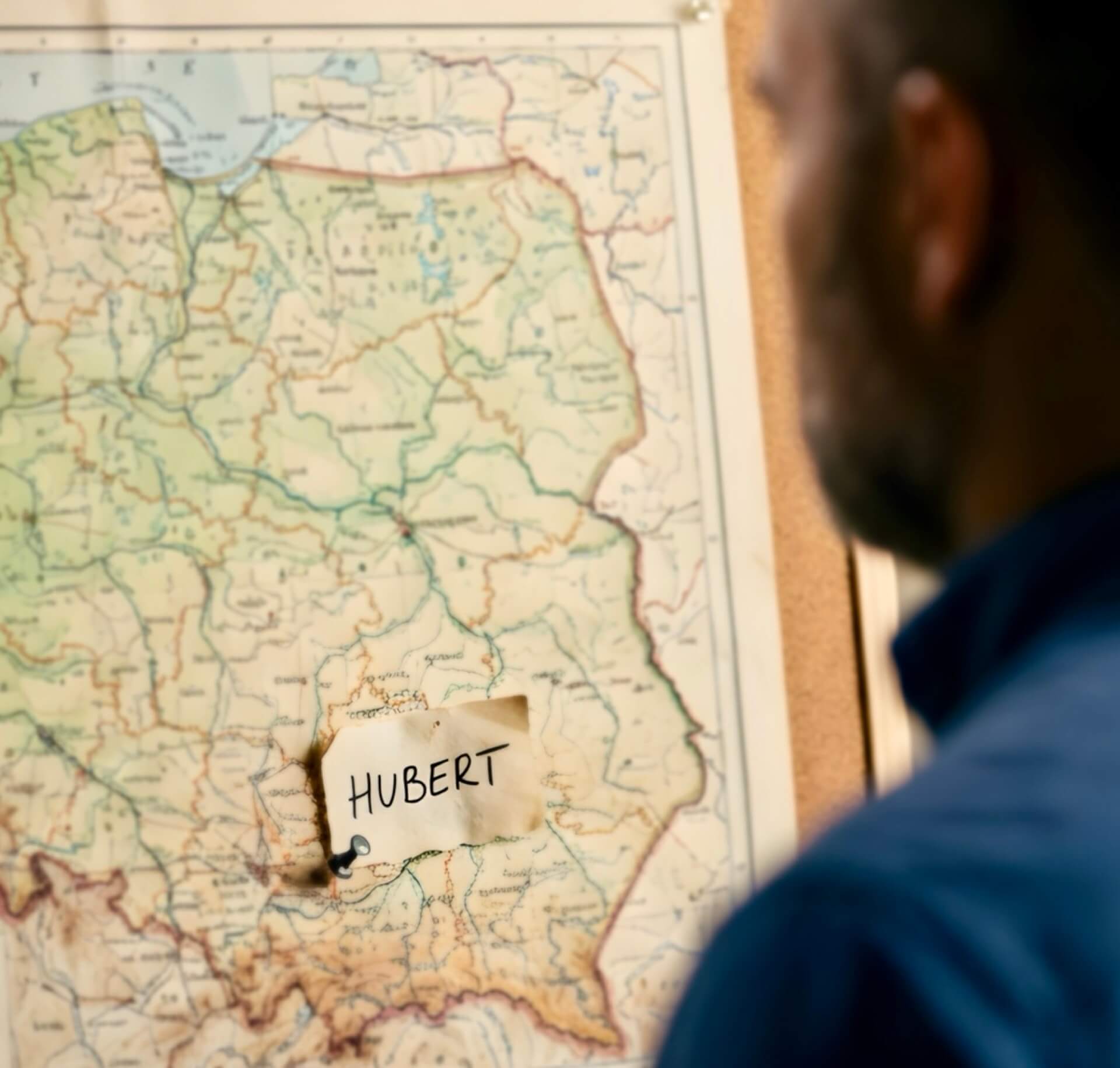
How we hired our lead designer…
👨🎨 I remember hiring Hubert, our lead designer, who lives in a small town on the south border of Poland.
🙅♂️ He rejected many offers, why did he accept ours? Did we bribe him? Yes, kinda… he chose us because we do NOT have an office!
Headhunters were trying to get him to move to Warsaw - capital of Poland, but he wouldn’t budge. He didn’t want to relocate. Yet he wanted a change, because in his town the job prospects weren’t ideal for someone with his talents. He wanted to earn more, take on more exciting work… but still live in his hometown. Was that even possible?
You can get talent from anywhere in the world!
🚀 This was when I discovered another advantage of the #NoOffice way of doing things: you can hire the best talent and provide them with great opportunities and a better salary, without forcing them to move from the place they call home.
💪 And that’s exactly why Hubert started working with us — and why he’s still thriving with Nozbe after so many years.
Remote work is not a perk — it’s a system.
Remote-first companies aren’t born — they’re designed. And the biggest misconception I still encounter is this: people think remote work is a “benefit.”
No. It’s a system — a set of practices, norms, and expectations that must be deliberately built to give people a healthy work environment and ensure that working like this doesn’t create hidden challenges for employees.
At Nozbe, where we’ve worked remotely for 19 years, we didn’t accidentally become productive:
- 🤝 we embraced trust over control
- ✍️ we documented, always
- 🗣️ we communicated to clarify, not to interrupt
- ☝️ we treated asynchronous work as a core practice, not a compromise
Work isn’t the place you go — it’s the thing you do.
If you still think remote work is “cool” just because people can wear hoodies, you’ve missed the point.
Freedom without structure doesn’t lead to better work — it leads to chaos.
The future of work isn’t hybrid or remote by default — it’s intentional. And that starts with redefining what we actually mean when we say “work.”